L’ Arte della Seta Lisio a Bevagna
The Mercato delle Gaite and Bevagna
Mercato delle Gaite draws inspiration from the ancient division of Bevagna into four districts known as Gaite, which formed the basis of the city’s administrative organisation during the medieval period.
In the work “Studio su Bevagna” by Count Giulio Spetia, it is stated: “For administrative and supervisory reasons, the municipality is divided into four Gaite or Guaite; they are separated longitudinally by the Via Flaminia and transversely by the two roads leading from the main square to Porta Guelfa and Porta Molini. Beyond the square, towards the south, on the left side of Via Flaminia, lies Gaita Santa Maria.”
For exactly 30 years, the Mercato delle Gaite has revived the activities of a medieval market, inspired by the dense and harmonious sixteenth-century manuscripts of the old Statutes, which listed, organised, and divided the city into four Gaite, also known as Guarie or Gates. For three decades, the Gaite have transformed Bevagna into a living museum, an archaeological and economic journey built upon rigorous historical research.
The true strength of the Mercato delle Gaite lies in the rediscovery and recreation of the daily life of medieval people between 1250 and 1350.
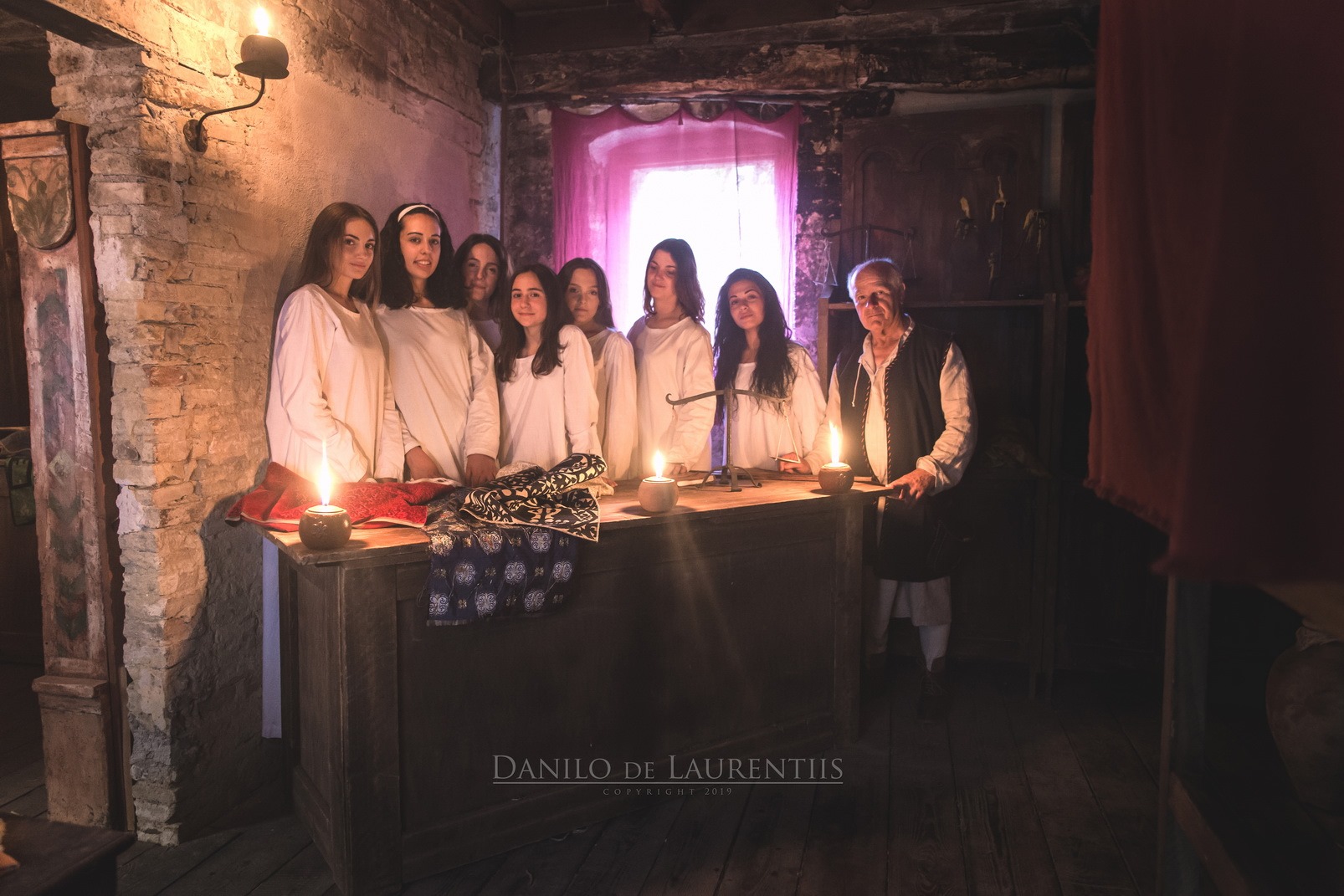
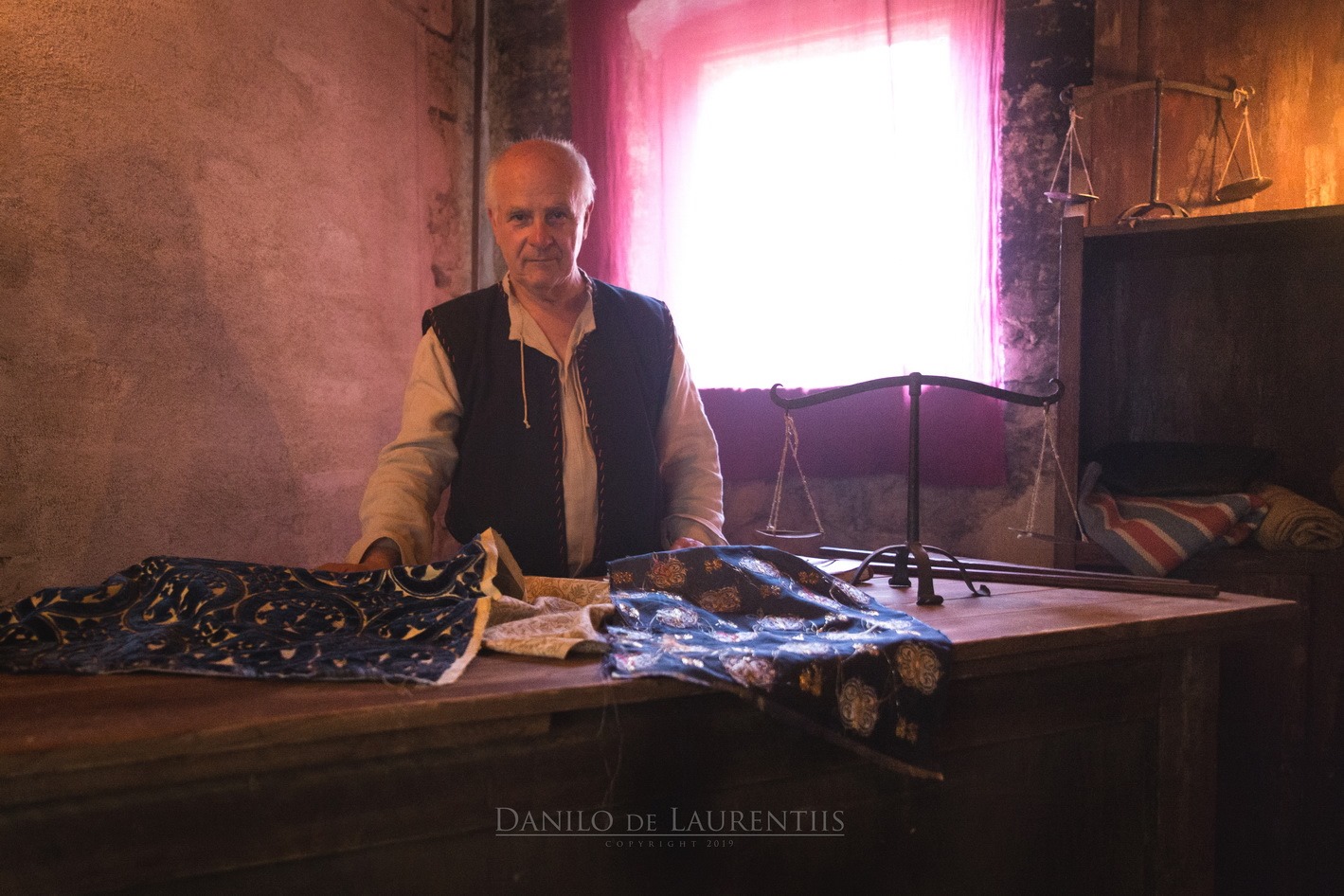
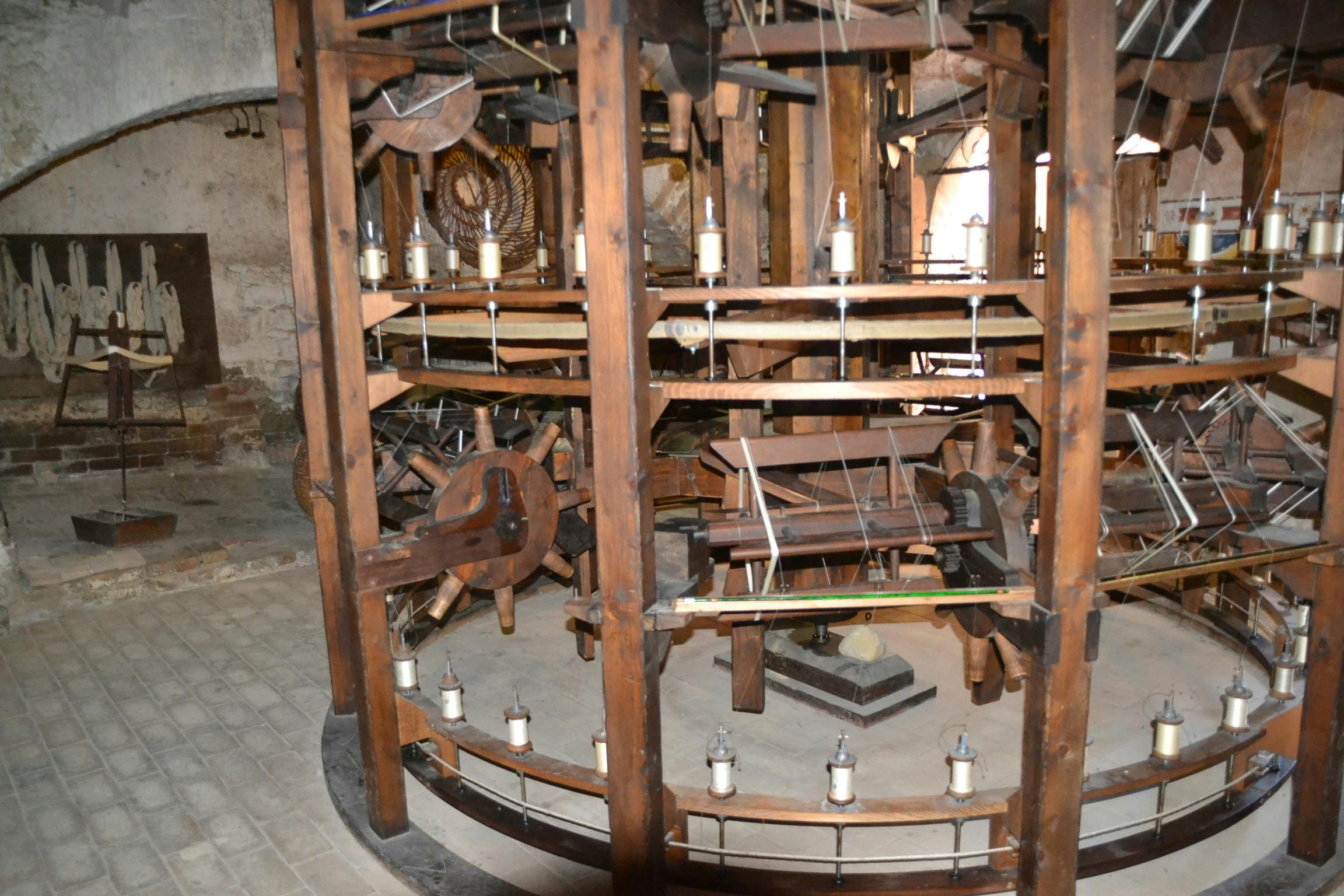
Masters of the arts and skilled artisans reveal the secrets of ancient medieval crafts, demonstrating the stages and tools involved in the production of bambagina paper, beeswax candles, painted works, and silk weaving. These are the only four crafts of the Mercato delle Gaite that remain open throughout the year. Guided tours and workshops allow visitors of all ages to experience, understand, and explore the secrets of medieval ars.
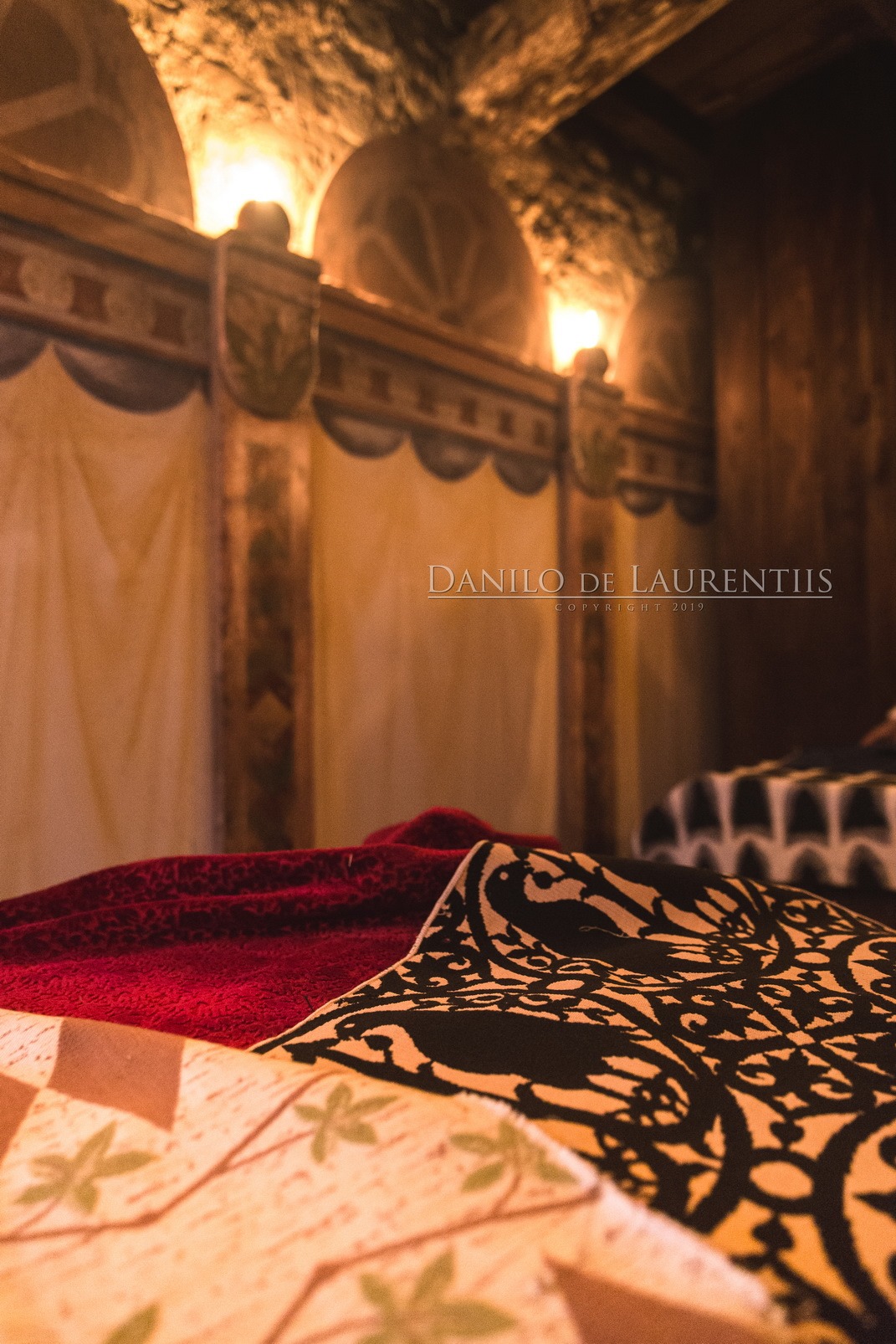
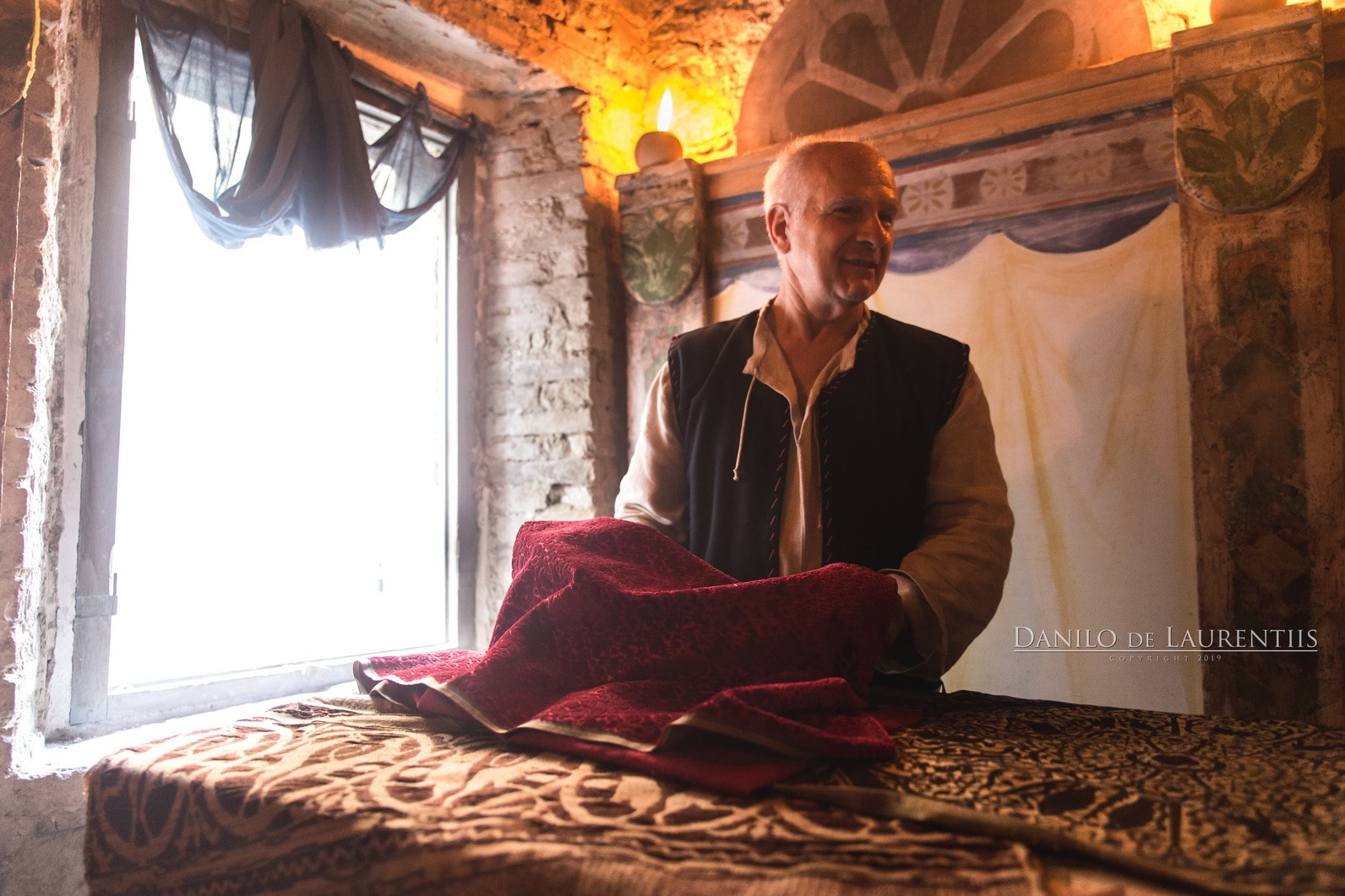
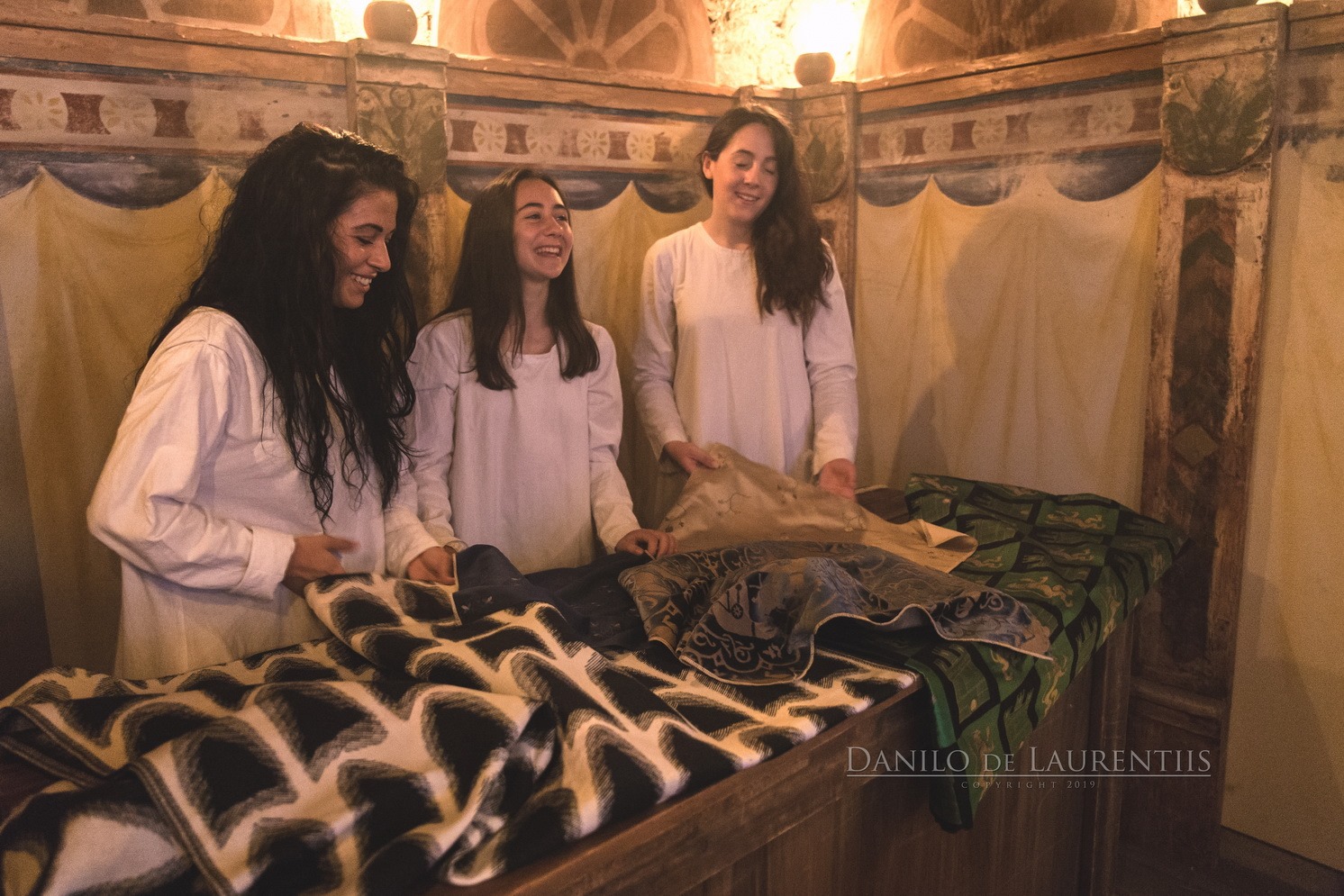
At Gaita S. Maria, the Art of Silk is brought to life through demonstrations of silkworm breeding, the preparation of silk thread through reeling and twisting, and finally weaving.
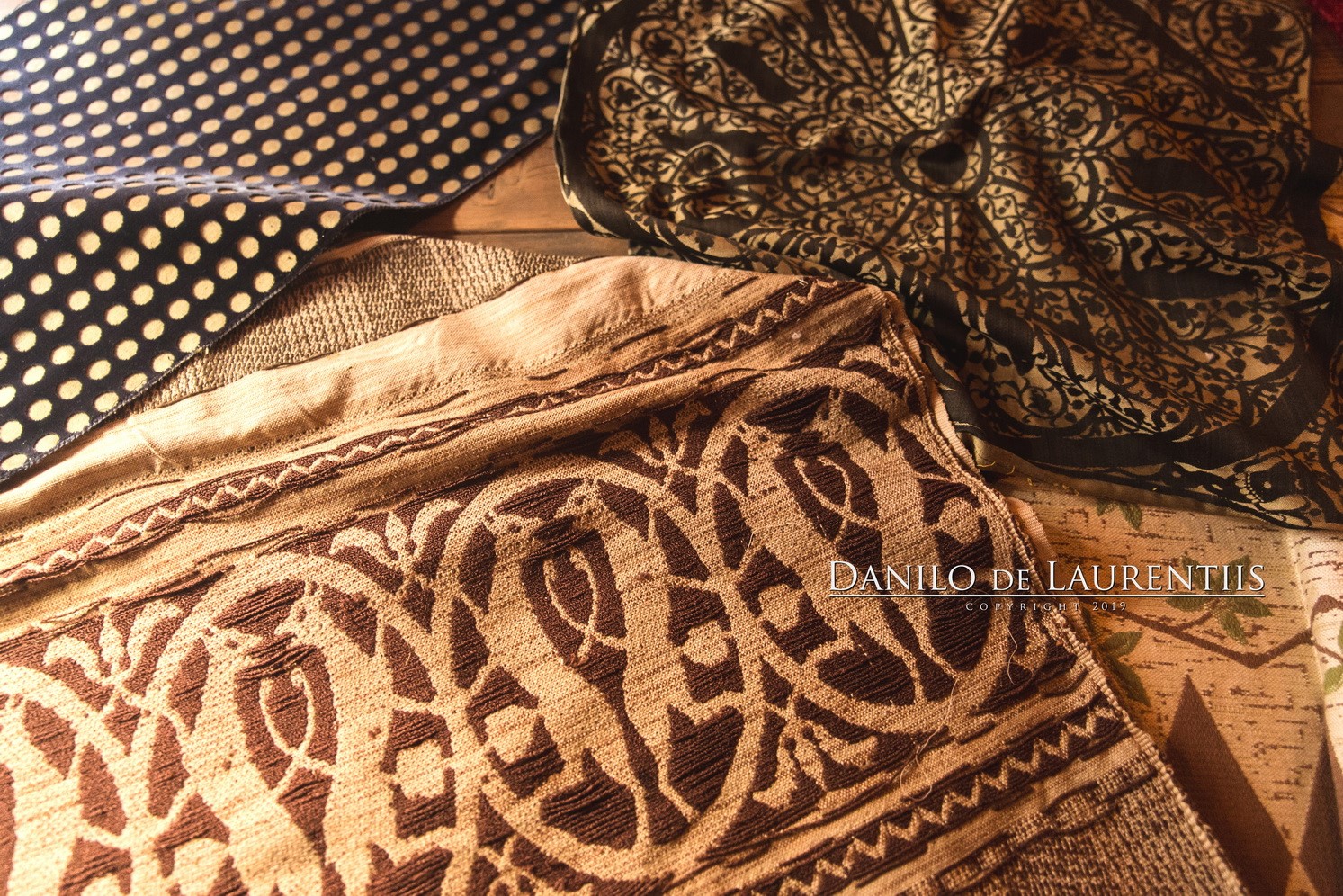
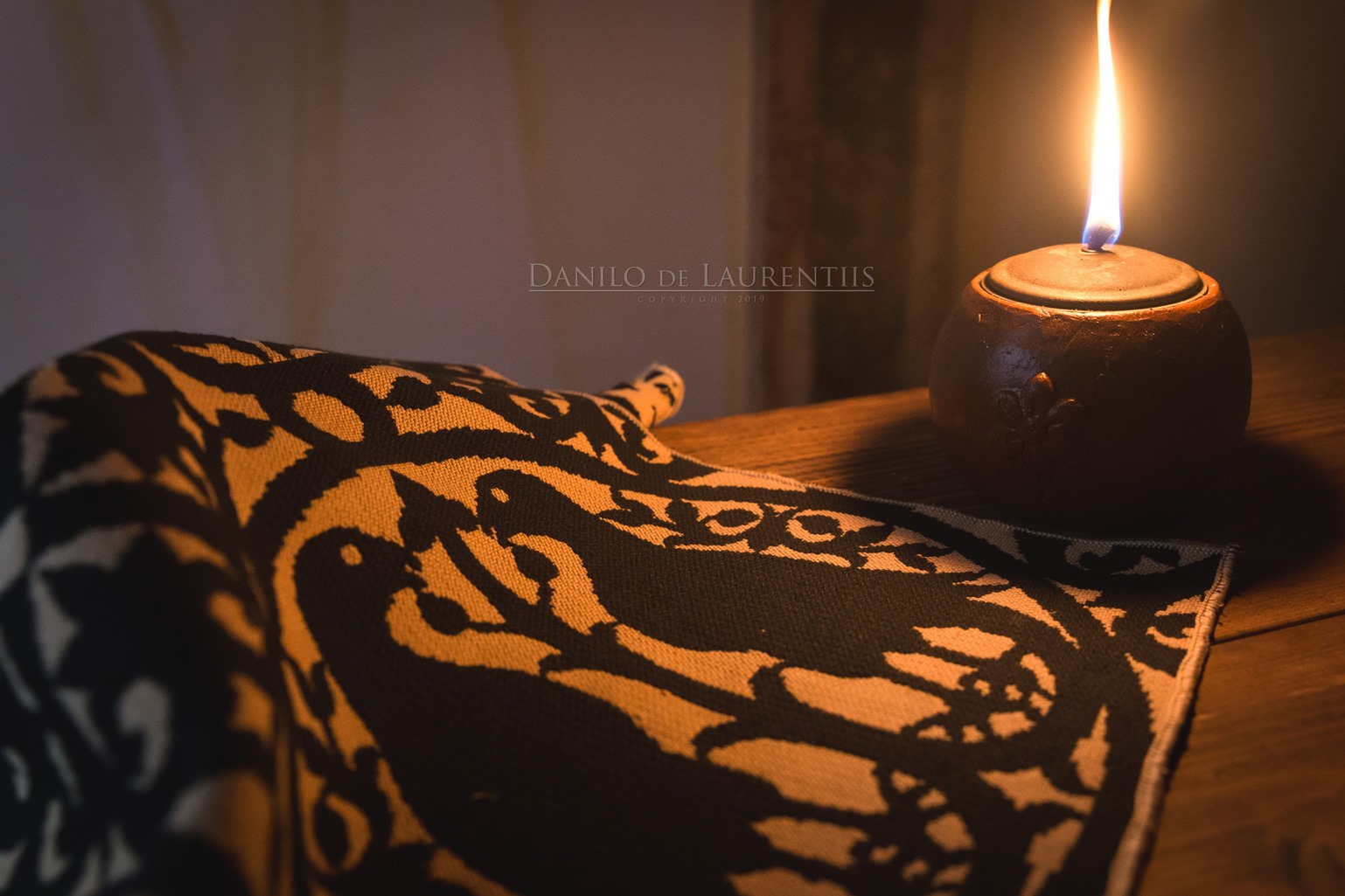
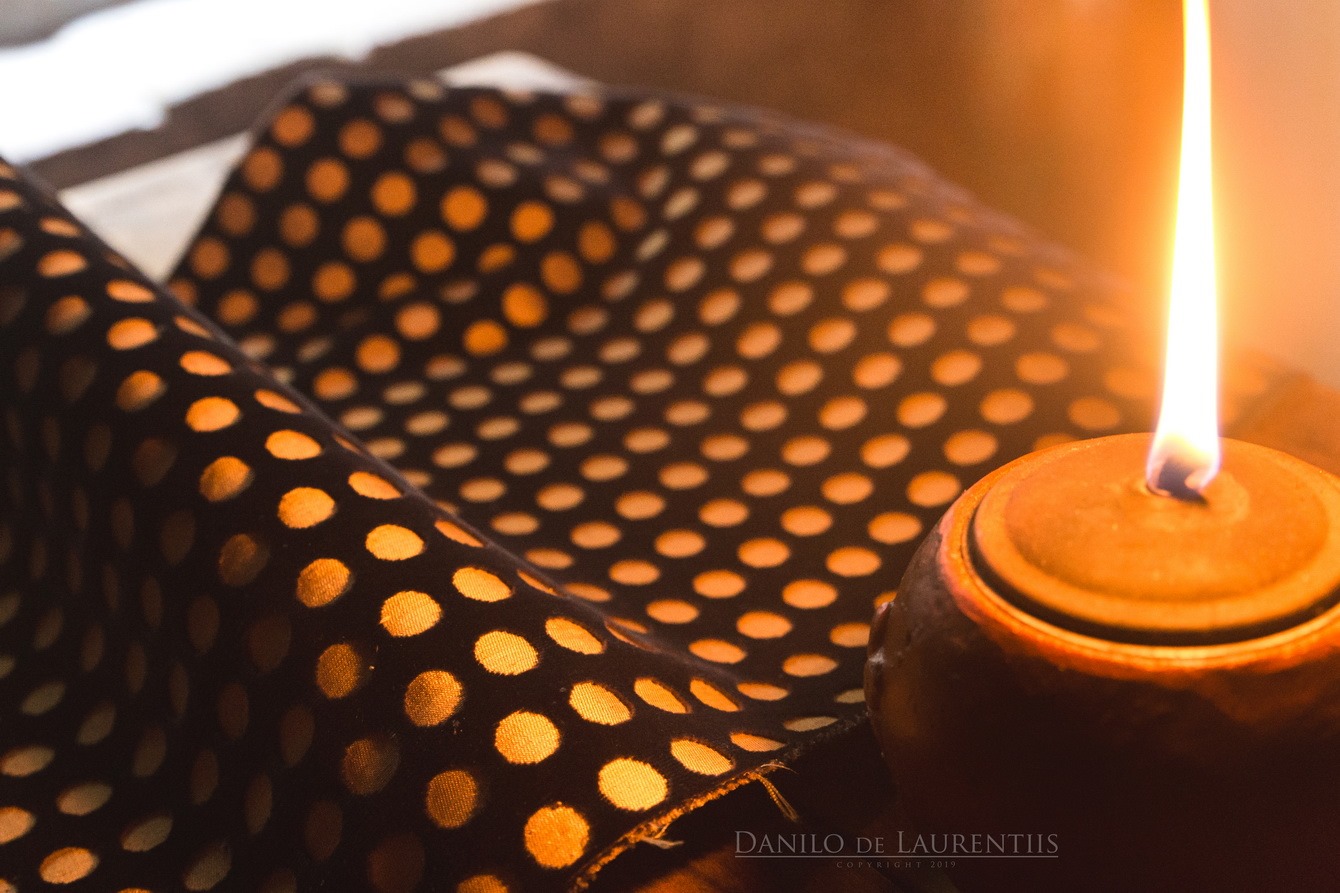
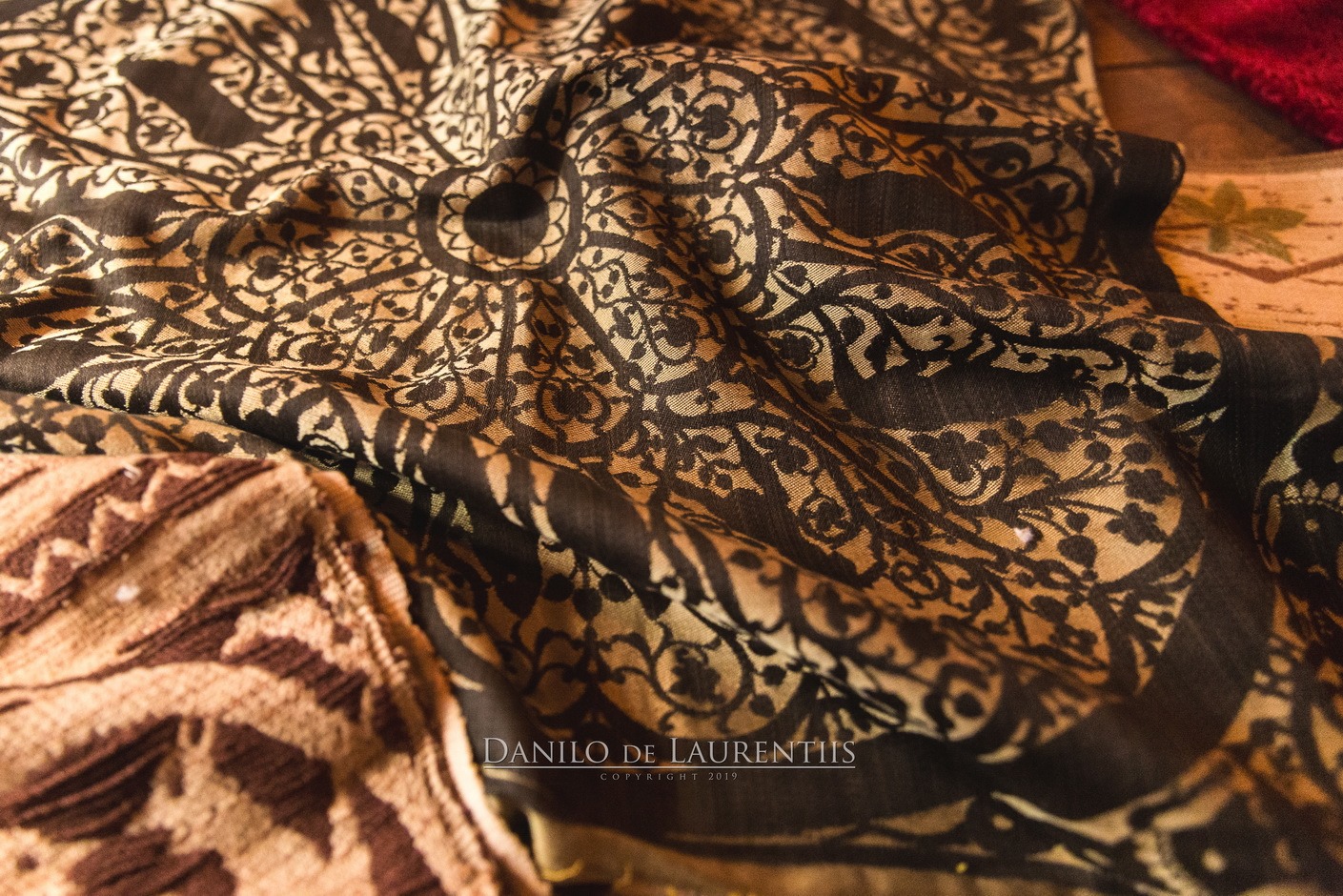
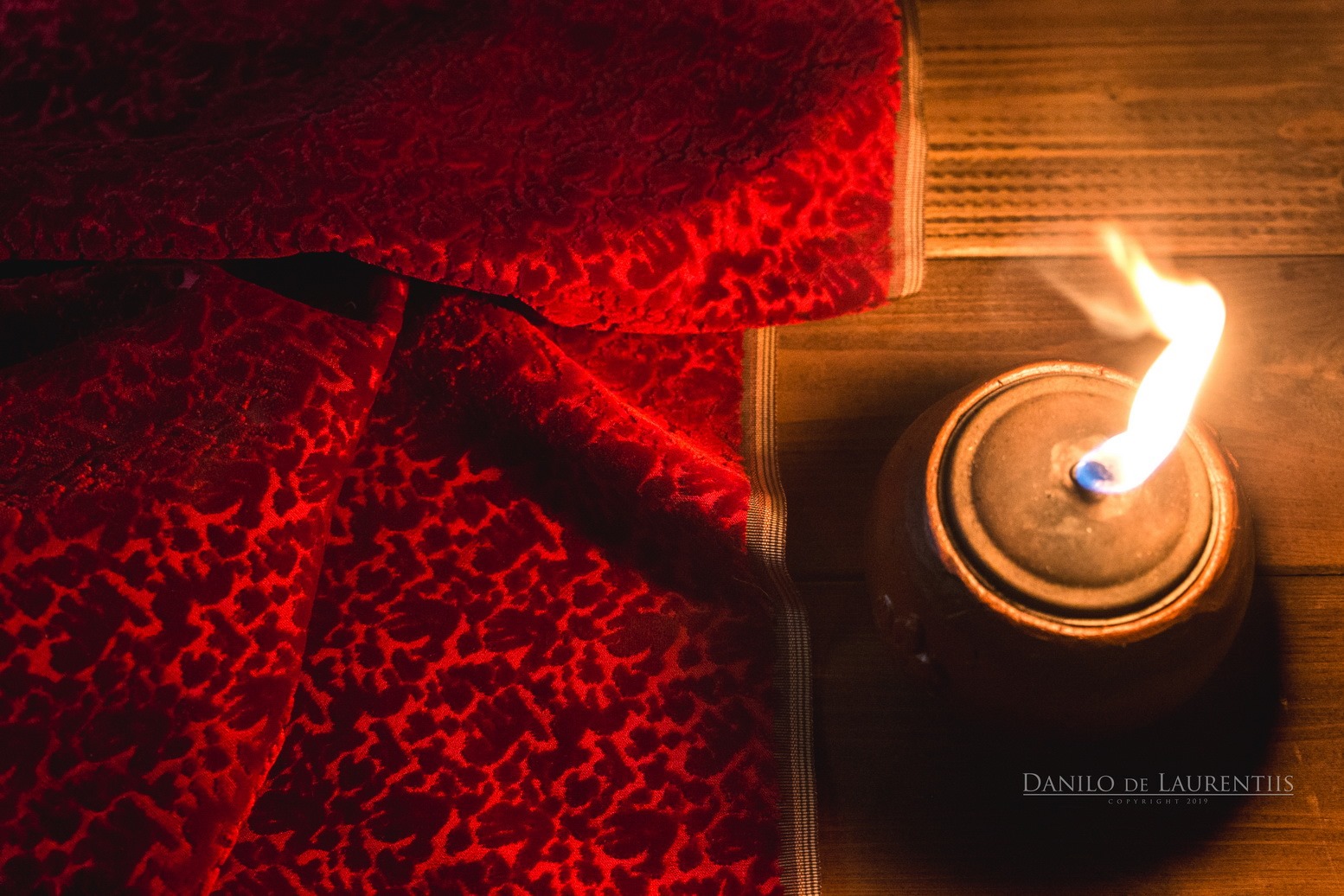
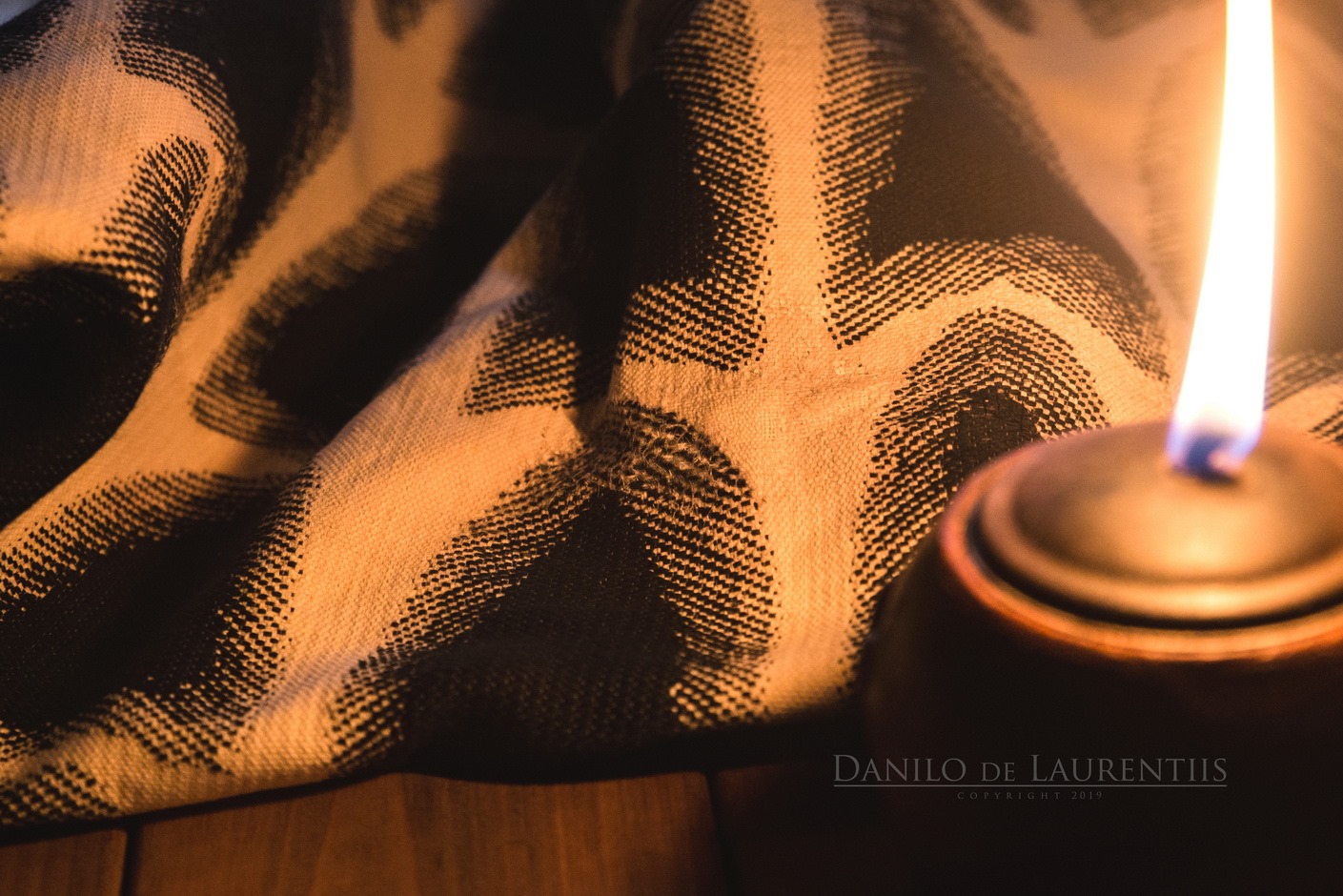
The Fondazione Arte della Seta Lisio contributed to the creation of the “Silk Workshop” exhibition with its velvets, brocades, and silk and precious metal textiles. Their designs — developed by Giuseppe Lisio during the first three decades of the 20th century — faithfully recreate the historical period represented by the Mercato delle Gaite: the period between 1250 and 1350.
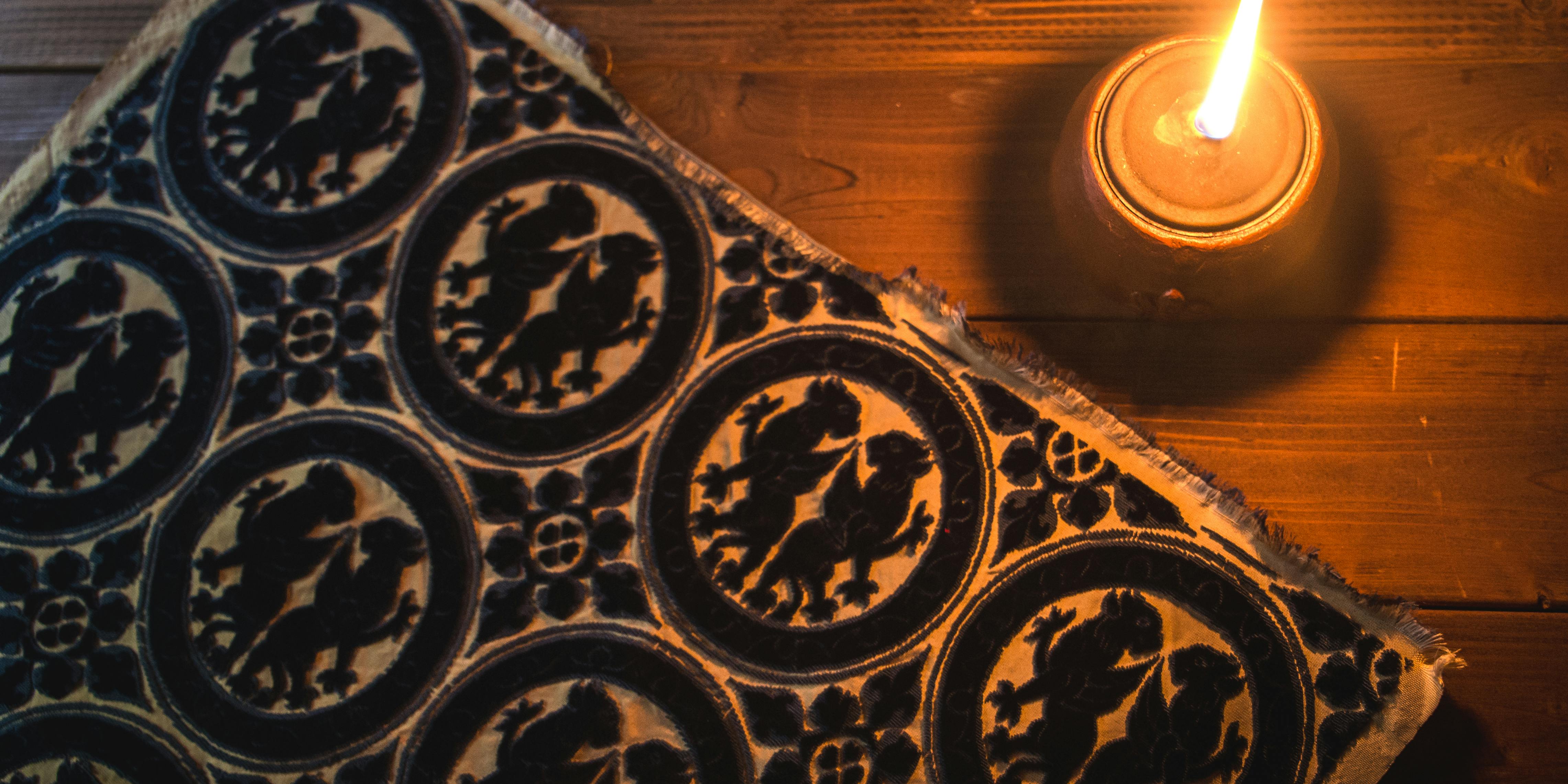
The textiles created by Arte della Seta Lisio have always been inspired by ancient sources from every field of the arts: from paintings to mosaics, from textile and embroidery designs to illuminated manuscripts.
Within an event dedicated to the recreation of the Middle Ages, Arte della Seta Lisio presents those textiles that reproduce medieval patterns found in works such as the “Giottesco” and “Agnolo” fabrics from paintings, the “S. Giovanni”design from marble inlays, ancient textiles such as “Leoni” and “Cangrande”, miniatures and wall decorations such as “Vaio”, and embroideries such as “Assisiano”. All these fabrics are inspired by medieval ornamental traditions.
Photo credits: Danilo de Laurentiis Photography – © All rights reserved.