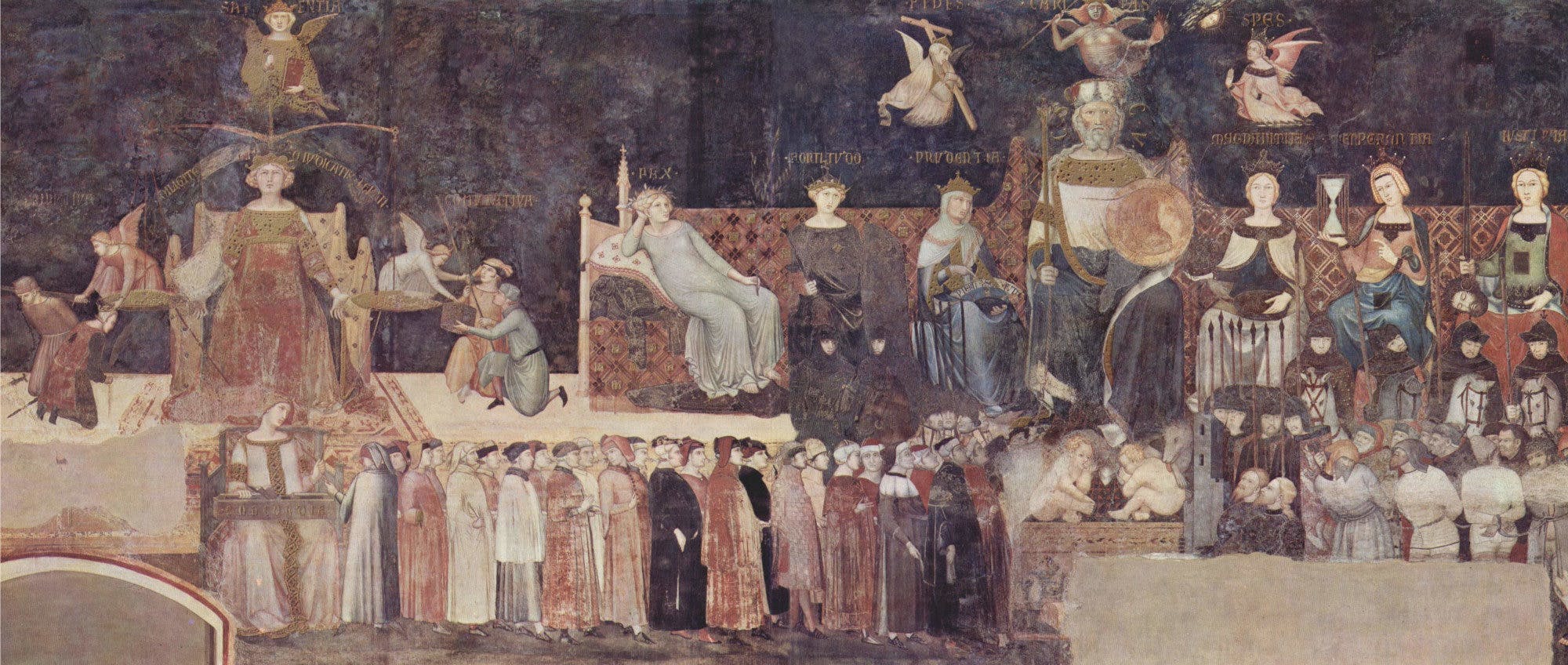
Laboratorio Sartoriale "Medioevo" - Allegoria del Buon Governo di Lorenzetti
How to enroll for Laboratorio Sartoriale "Medioevo" - Allegoria del Buon Governo di Lorenzetti
Course duration: 60 hours
Participation also includes one day as a guest in the “Techniques for the Stage – Reproduction of Historical Motifs” class.
Places available: only 3 remaining.
Total cost: €980.00
The “Medieval” Tailoring Workshop is a module of the two-year programme in Historical and Stage Tailoring.
Workshop instructors: Susan Marshall and Vittoria Valzania
Instructor for the additional “Techniques for the Stage” session: Sabrina Macchi
The Tailoring Workshop will be held from 10:00 a.m. to 1:00 p.m. and 2:00 p.m. to 5:00 p.m.
Classes will generally take place on Mondays, Tuesdays, and Wednesdays, on the following dates:
- 22–24 November
- 29 November – 1 December
- 6–7 December
- 13–15 December
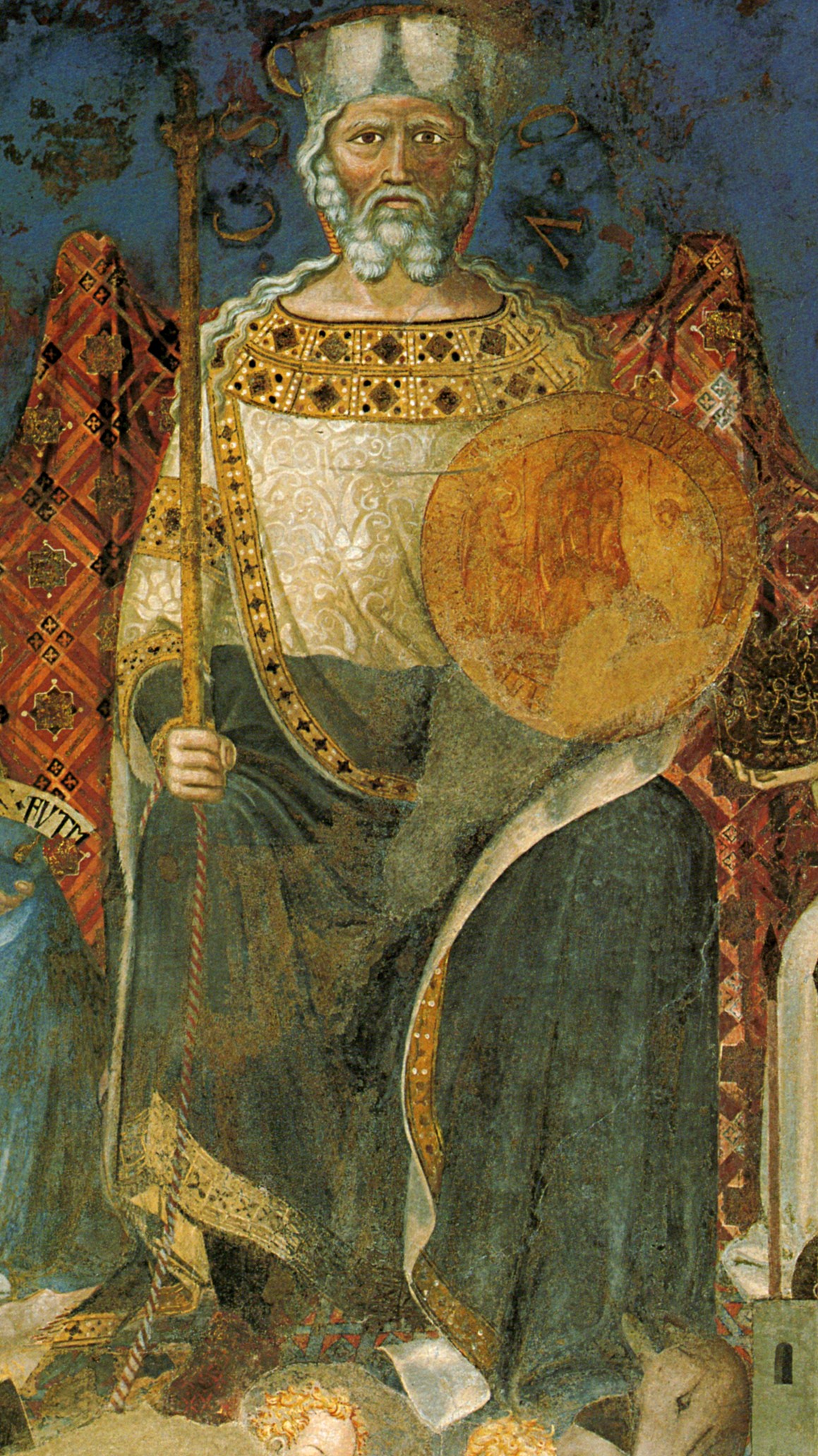
“The Costumes of Ambrogio Lorenzetti’s The Allegory of Good Government – Siena, XIV Century”
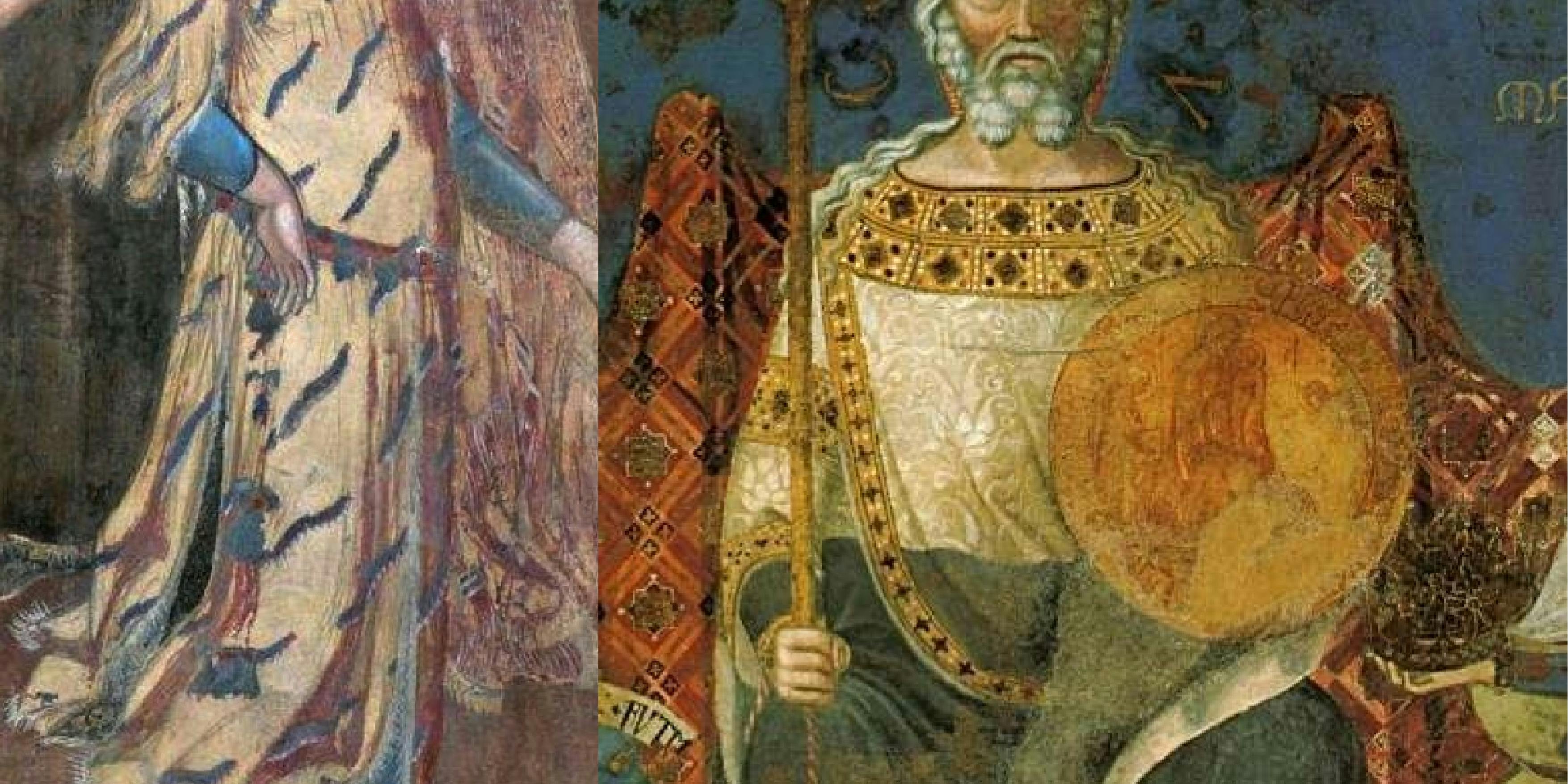
The “Medieval” Tailoring Workshop forms part of the two-year programme in Historical and Stage Tailoring. During the workshop, students will recreate two of the most representative garments depicted in Ambrogio Lorenzetti’s Allegory and Effects of Good and Bad Government (1338–1339), located in the Palazzo Pubblico in Siena.
Three participants from outside the two-year programme will also have the opportunity to join this module and benefit from the expertise of costume designer Susan Marshall, with tailoring instruction provided by Vittoria Valzania.
The completed garments will be exhibited in a 2022 exhibition at the Palazzo Pubblico in Siena. The exhibition aims to highlight the significant social and political value of Lorenzetti’s masterpiece, which illustrates—almost like a modern music video—how wise governance brings positive benefits to the life of the community.
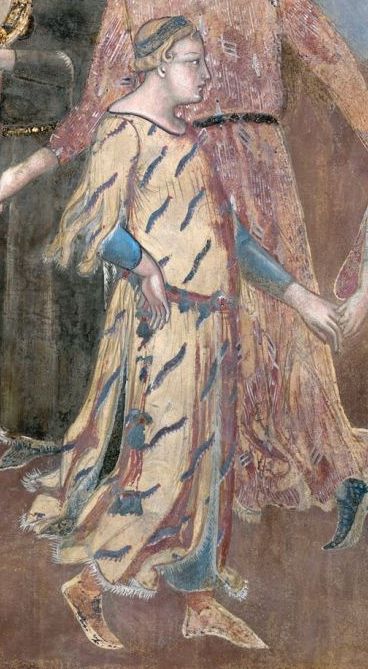
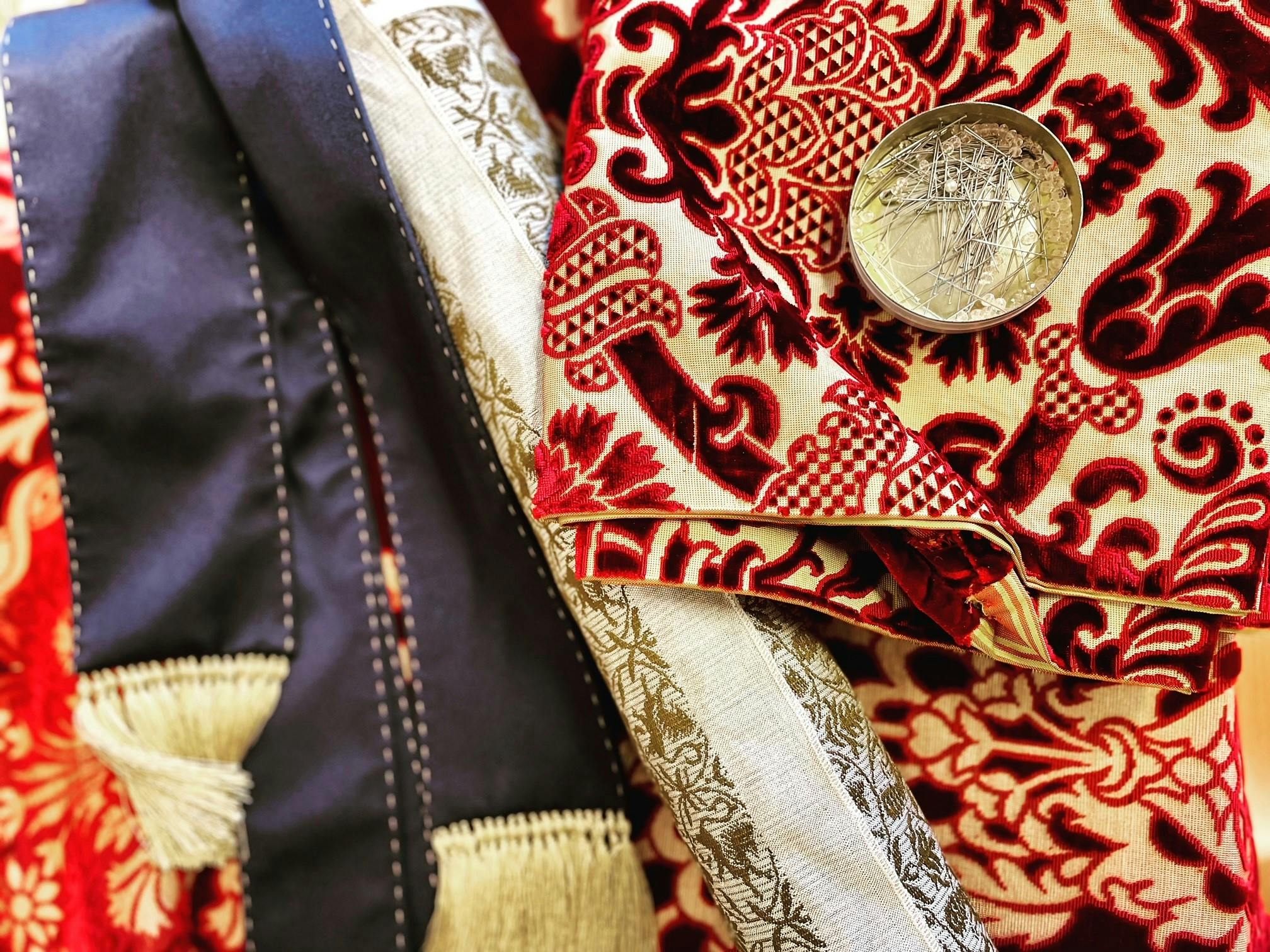
The workshop consists of practical lessons during which students will refine their knowledge of the tailoring techniques essential to the proper practice of the craft, gaining first-hand experience of the process of transforming an iconographic source—in this case, a fresco—into a finished garment on a dress form.
Students will be guided by experienced tailors, who will illustrate the different technical approaches and decision-making processes adopted according to the intended purpose of the garment, whether for theatre, film, or, as in this case, a public exhibition.
Learning Outcomes
By the end of the course, students will have acquired a solid understanding of the historical research process and developed practical skills in the construction of medieval costumes. They will be able to carry out historical research, cut patterns, sew, and decorate medieval garments.