Go to main contentGo to footer
Courses
from Nov 4 2021 to Nov 25 2021

History of Embroidery in Italy between the Middle Ages and the 19th century | ONLINE

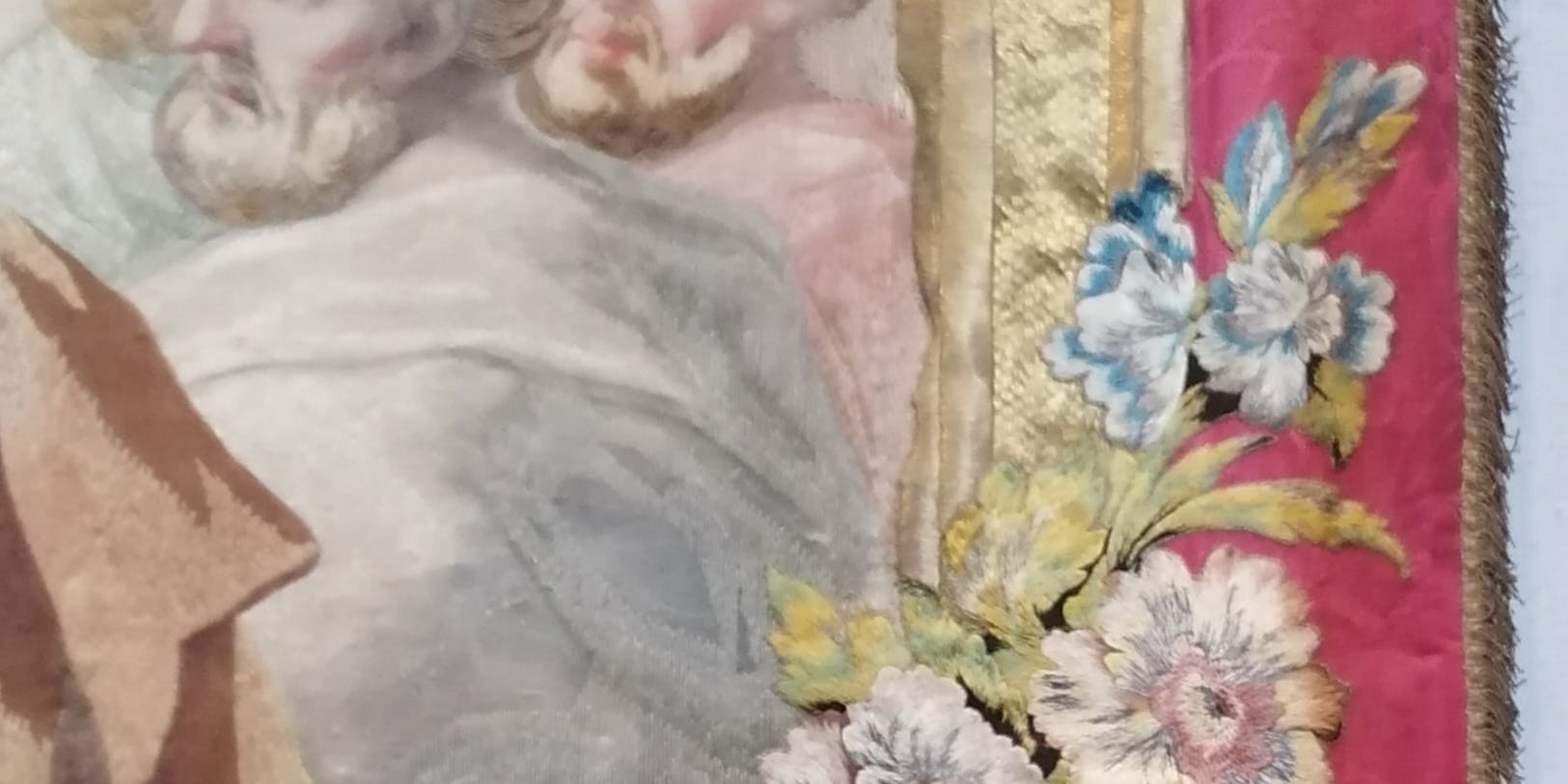
The course traces the evolution of embroidery in Italy from the Middle Ages to the entire nineteenth century, in both secular contexts (furnishings and clothing) and ecclesiastical settings, and includes the analysis of artefacts, paintings, and documentary sources. Through comparison with different artistic typologies, students will acquire the knowledge necessary to outline the stylistic and technical development of embroidery.

How to enroll for History of Embroidery in Italy between the Middle Ages and the 19th century | ONLINE

Finalize your enrollment!
The course has reached the minimum of participants and will take place on the announced dates. Complete your registration using the same email address indicated to pay the deposit.
190
taxes incl.

Course duration: 12 hours

Structure: 4 lessons of 3 hours each

Schedule: every Thursday, 2:00 p.m. – 5:00 p.m.

Total cost: €240.00 VAT included

The course will be held online.

The course will be delivered in Italian; explanations and/or clarifications may also be provided in English.

Instructor: Gian Luca Bovenzi

  • Embroidery Technique

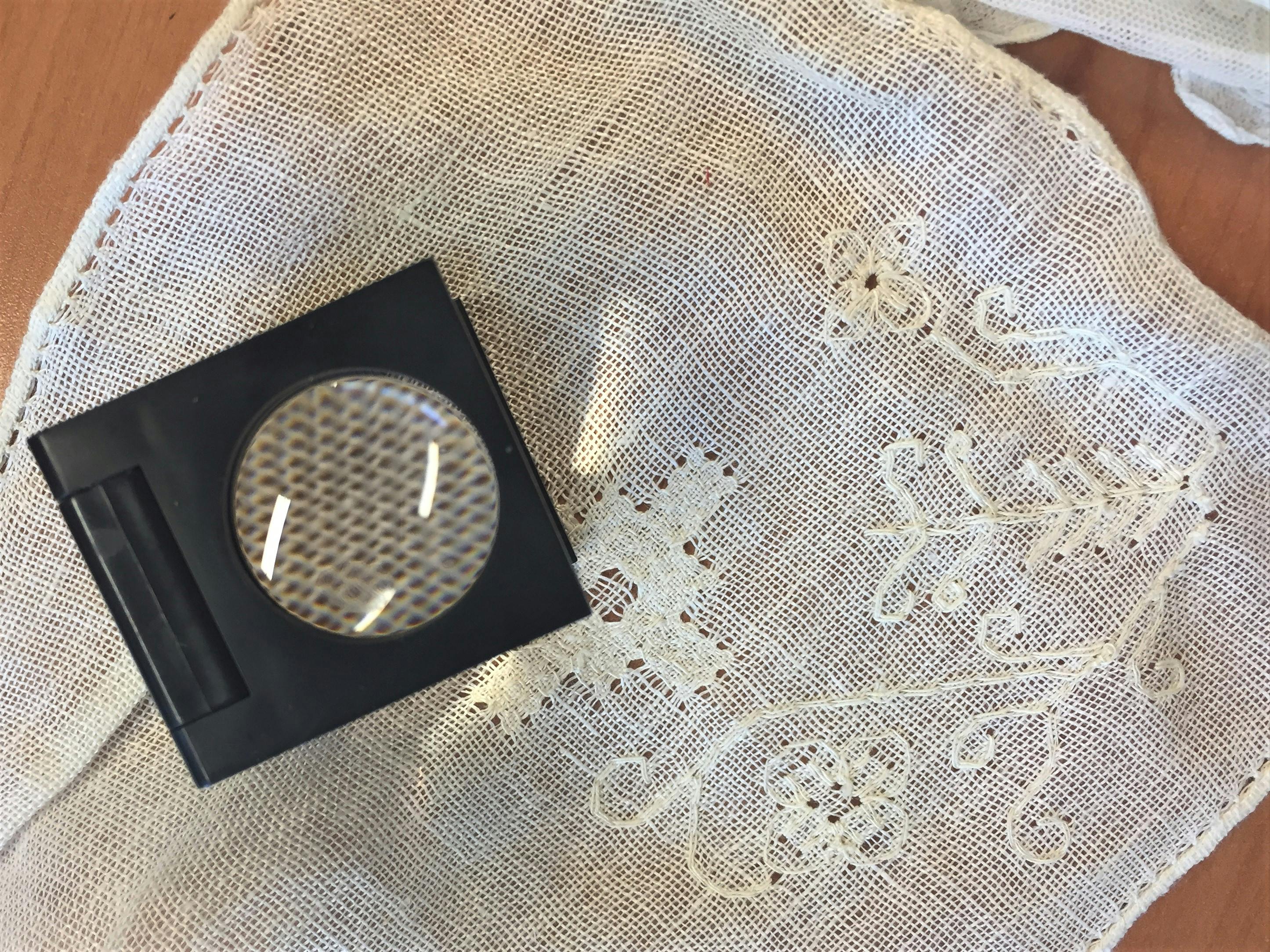
In studying embroidery, as in any other artistic form, it is essential to deepen and understand its technical aspects. Starting from the distinction—far from obvious or simplistic—between patterned textiles, embroidery, and lace, the course analyses the many techniques that define the complex “world” of embroidery, where heterogeneous processes converge and overlap in terms of effect, execution methods, and materials used.

Examples range from satin stitch to sequin embroidery, from refined white-on-white embroidery to patchwork. The investigation focuses on the main fields of application—furnishings, clothing, and ecclesiastical use—primarily from the Middle Ages to the nineteenth century.

  • Embroidery between the Fourteenth and Fifteenth Centuries

Iconographic sources and numerous surviving artefacts illustrate the role of embroidery between the fourteenth and fifteenth centuries. While the secular sphere can be reconstructed almost exclusively through paintings, the religious sphere is documented by a large number of liturgical vestments. Copes, chasubles, and dalmatics are enriched with figurative embroidery, often depicting saints within niches, through which it is possible to identify and distinguish opus anglicanum, opus florentinum, and opus romanum, frequently mentioned in inventories and contemporary documents.

  • Embroidery between the Sixteenth and Seventeenth Centuries

In the sixteenth century, pattern books spread throughout Europe: precious and fascinating printed volumes containing hundreds of ornamental designs intended to be translated into embroidery and/or lace. This production highlights the dominant role of embroidery in secular contexts and the need to supply ever-new graphic models to a clientele that included not only professionals, but also individuals attentive to the rapidly evolving tastes and fashions of the period.

  • Embroidery between the Eighteenth and Nineteenth Centuries

When embroidery is mentioned, it is often immediately associated with a female domain: embroiderers are assumed to be women, and embroidery is linked mainly to female clothing. Men are, at most, allowed a small monogram on a shirt or handkerchief. This perception is, however, far removed from the aesthetic orientation of the eighteenth century, when embroidery was widely present in men’s clothing and male embroiderers were common. It is only in the nineteenth century that embroidery gradually and irreversibly leaves the male sphere, leading to a redefinition of its role and meanings.

Training vouchers are available, which can be requested from the Tuscany Region:
Newsletter

Subscribe to our newsletter

You can unsubscribe at any time by clicking the link in the footer of our emails. For information about our privacy practices,Go to Mailchimp website